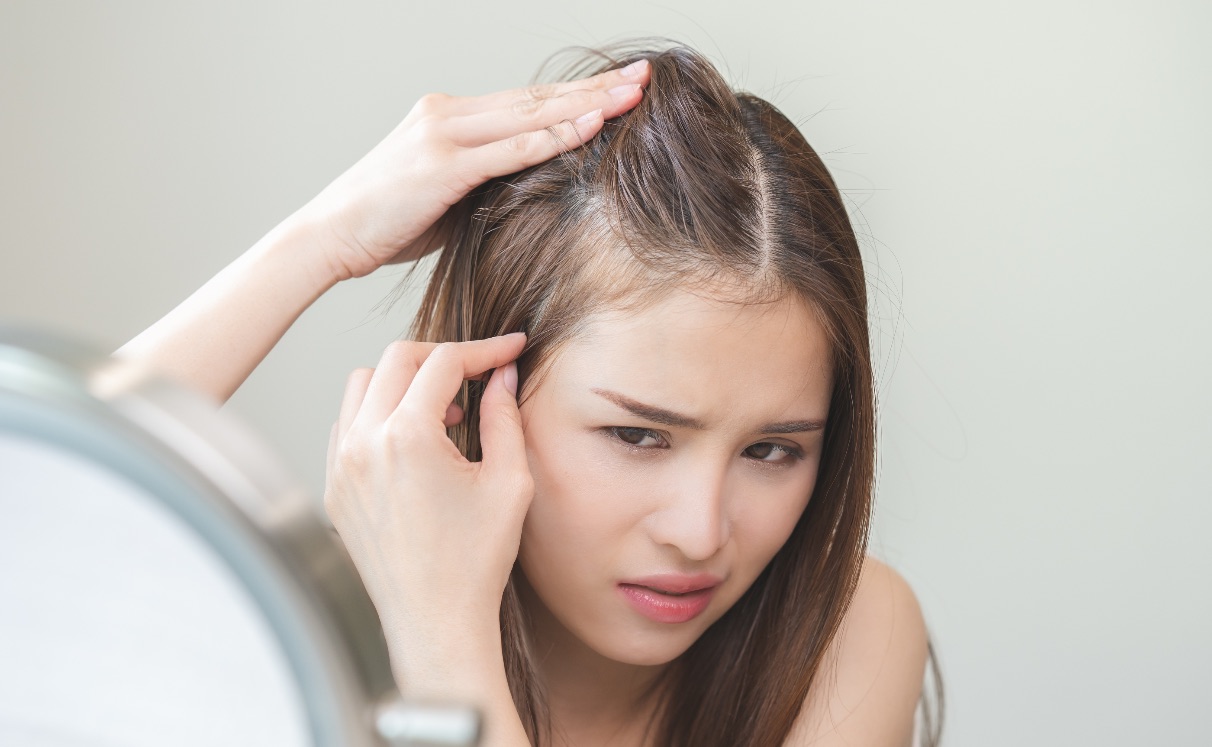
Telogen effluvium vs androgenetic alopecia: understanding hair loss
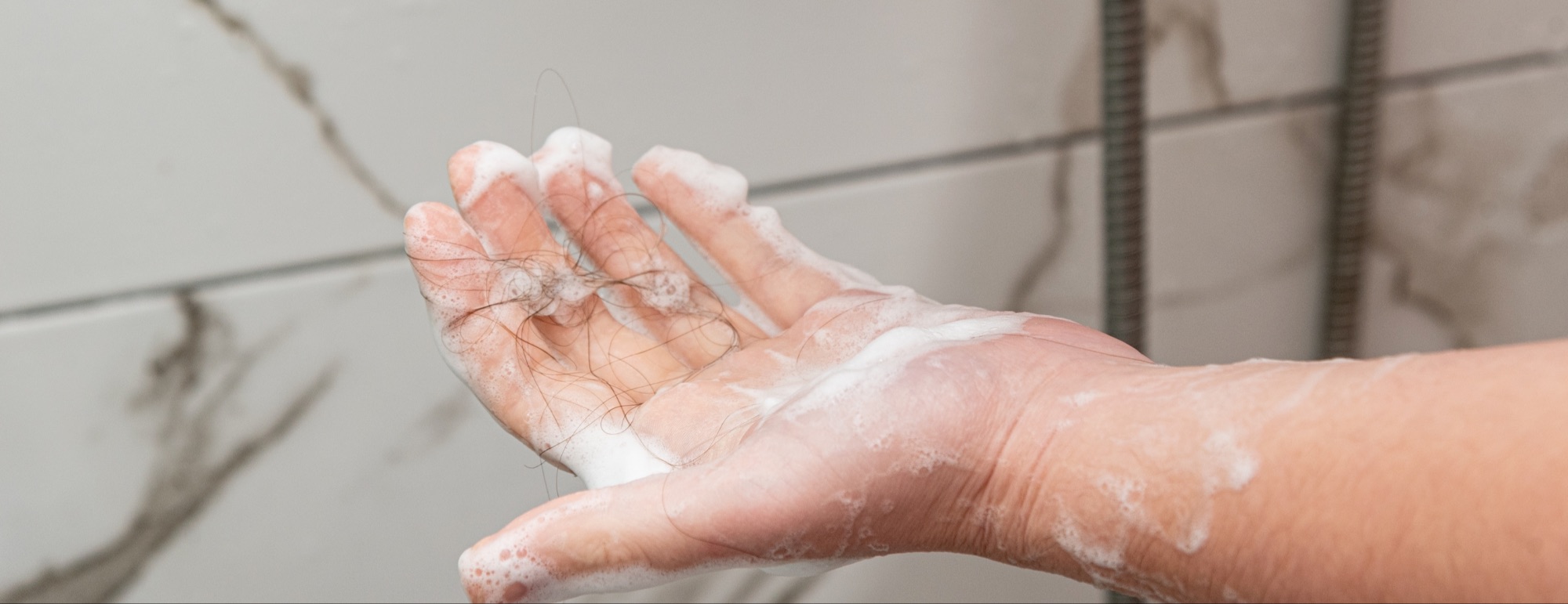
Is your scalp more visible? Have you noticed strands of hair scattered on the floor, stuck in your comb or in the bath drain?
ler mais
At certain times of the year, do you find more hair on your brush, in the shower drain, or on your pillow? You're not alone! Seasonal hair loss is a common phenomenon driven by the hair's own biological cycle and influenced by factors such as sunlight, temperature, hormonal changes, and even lifestyle.
But is seasonal hair loss normal… or a cause for concern? Keep reading to find out!
Reality. Seasonal hair loss — a phenomenon known as seasonal telogen effluvium — is real and relatively common. That's because hair reacts to environmental changes, such as variations in sunlight, temperature, and even lifestyle habits. However, the line between natural hair renewal and a potential hair health issue can be subtle. For that reason, it's worth understanding how each season of the year can influence this process.
Spring is a time of hair cycle renewal that may lead to slightly above-average hair loss.
Transition from a drier climate to a more humid one, which can alter scalp oiliness and compromise hair health.
Natural adjustment of the hair growth cycle, which may cause more strands to enter the shedding phase simultaneously to make way for new hair.
Summer is often the season when hair suffers the most external aggression, becoming fragile, dry, and prone to breakage.
Autumn, widely associated with seasonal hair loss, is the time of year when more strands enter the resting phase and shed in a diffuse pattern.
Adjustment of the hair cycle in response to solar radiation from the previous months, which drives more strands into the shedding phase.
Hormonal shifts linked to reduced daylight hours, which may temporarily interfere with the natural rhythm of hair growth.
Changes in scalp blood circulation due to the gradual drop in temperatures, which can affect the supply of nutrients to the hair follicles.
In winter, hair loss is mostly linked to dehydration and strand fragility.
Frequent use of hairdryers set at excessively hot temperatures and washing with very hot water — habits that can weaken the hair fibre.
Indoor environments with heaters that reduce air humidity and can leave hair drier and more brittle.
Reduced sun exposure and lower vitamin D levels, an important nutrient for the healthy functioning of the hair follicles.
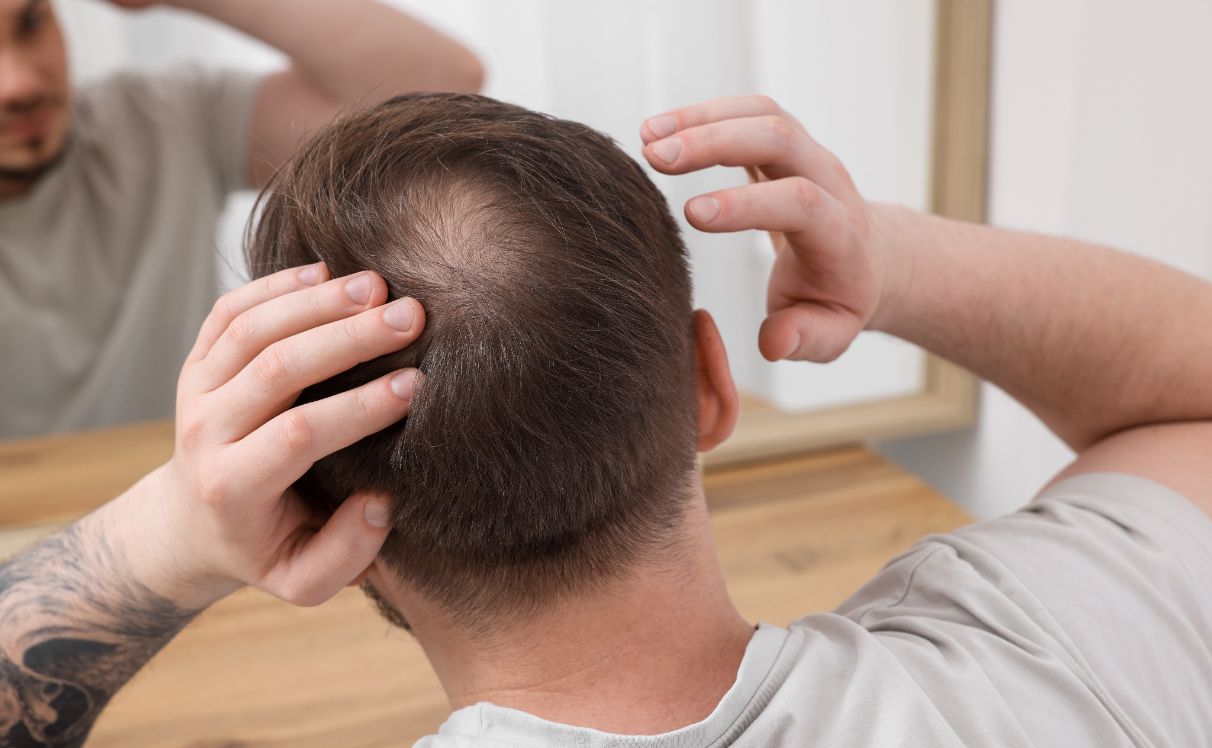
Indeed, seasonal hair loss — known as seasonal effluvium — is different from androgenetic alopecia, the most common type of baldness. While the former is characterised by temporary and diffuse hair loss (hair falls out evenly), the latter progresses gradually over time and is characterised by progressive thinning of the strands and loss of density in specific areas.
Seasonal hair loss is natural and temporary, but there are strategies to reduce its impact and maintain the balance of the hair cycle:
Is seasonal hair loss affecting your confidence or self-esteem? Consult a hair health specialist to receive appropriate treatment, which in some cases may include:
Treatments such as Hair Mesotherapy or Low-Level Laser Therapy, available at Master Group, can help strengthen existing strands, restoring vitality to the scalp while the seasonal hair cycle naturally returns to balance.
Have you followed all the recommended care steps and used the right products, but hair loss is still heavy? You should book a medical assessment to understand whether it's simply seasonal hair loss or whether there's another underlying cause, such as androgenetic alopecia, nutritional deficiencies, or hormonal changes.
At Master Group, we carry out accurate diagnostics to distinguish temporary shedding from a condition that requires specialised treatment or, in more advanced cases, a hair transplant.

Still have questions about seasonal hair loss? Read the answers to the most frequently asked questions from Master Group patients.
Yes. Hormonal changes and adjustments in the hair cycle can temporarily increase hair loss in spring.
Yes. Autumn is one of the seasons when seasonal effluvium occurs most frequently.
As a rule, in spring and autumn, due to environmental and hormonal changes.
In most cases, yes. Hair grows back naturally.
It can last from a few weeks to 2 or 3 months.
Not always, but many people experience this phenomenon recurrently.
Yes. That's why it's important to observe whether the loss is diffuse or localised.
It can make existing alopecia more visible.
It doesn't change the rate of loss, but it can give the impression of more volume.
They can help, especially if there are nutritional deficiencies.
Through medical assessment and analysis of the shedding pattern.
When hair loss is severe, persistent, or accompanied by a noticeable loss of hair density.