marcar Online Consultation
+351 937 553 261 (Call to National Mobile Network)
Online Consultation

en

Telogen effluvium vs androgenetic alopecia: understanding hair loss

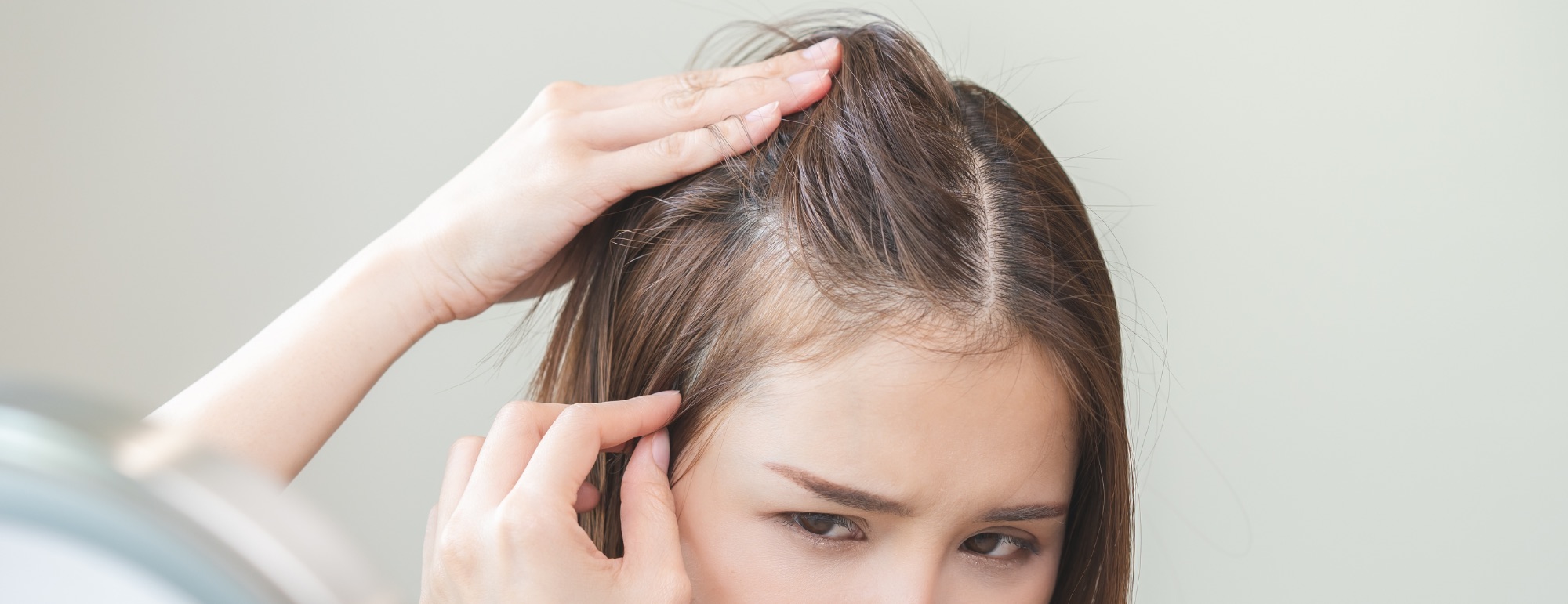
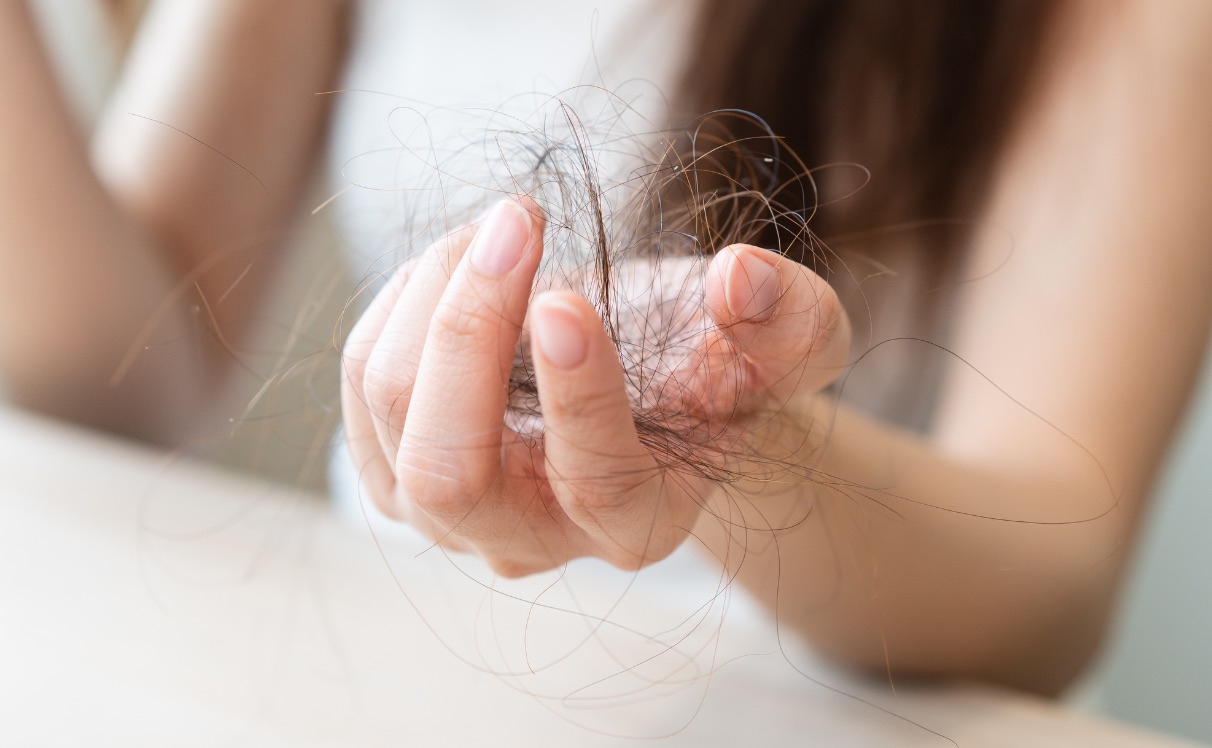
Is your scalp more visible? Have you noticed strands of hair scattered on the floor, stuck in your comb or in the bathtub drain? More than just protecting your head, your hair is a reflection of your identity, so it's natural for hair loss to cause anxiety. What can you do? Take the first step towards understanding the cause and regaining control!

In this content on Telogen Effluvium vs Androgenetic Alopecia, you will realise that hair loss is not always the same: sometimes the body is just reacting to a temporary event... other times, genetics dictates a different outcome. Fortunately, there are suitable solutions for both cases!


Telogen effluvium vs androgenetic alopecia: the differences between hair loss

If you suffer from hair loss, you already know that there are (at least) two terms that are often mentioned in conversations about this problem that affects self-esteem so much: telogen effluvium and androgenetic alopecia. But you may not know that the causes, progression and treatments for these conditions are completely different. While telogen effluvium is characterised by diffuse hair loss, which is usually sudden and temporary, androgenetic alopecia is a chronic condition of genetic and hormonal origin that causes progressive thinning of the hair and a gradual decrease in hair density. Which one applies to you?


Telogen effluvium vs androgenetic alopecia: the causes of hair loss

There are many causes, but it is important to make an effort to identify the cause of hair loss, as this is essential for choosing the right approach and avoiding inappropriate treatments. 

Main causes of Telogen Effluvium

  • Intense physical or emotional stress.
  • Surgery or infections.
  • Postpartum (due to a sudden drop in oestrogen).
  • Pause in taking the contraceptive pill.
  • Menopause and other hormonal changes.
  • Thyroid dysfunction.
  • Reactions to certain medications.
  • Restrictive diets and vitamin deficiencies (such as iron, zinc and vitamin D).

Main causes of Androgenetic Alopecia

  • Heredity or genetic predisposition.
  • Sensitivity of follicles to the hormone DHT (dihydrotestosterone).
  • Persistent hormonal changes.
  • Natural ageing of the scalp.

Telogen Effluvium vs Androgenetic Alopecia: the symptoms of hair loss

If you are still unsure whether your hair loss is related to Effluvium or Alopecia, check out the symptoms or warning signs to see if you are dealing with a temporary or progressive problem.

Main symptoms of Telogen Effluvium

  1. Abundant and sudden hair loss.
  2. Diffuse loss across the entire scalp.
  3. Maintenance of the frontal hairline and overall density (without localised bald patches).

Main symptoms of Androgenetic Alopecia

  1. Increasingly thinning hair.
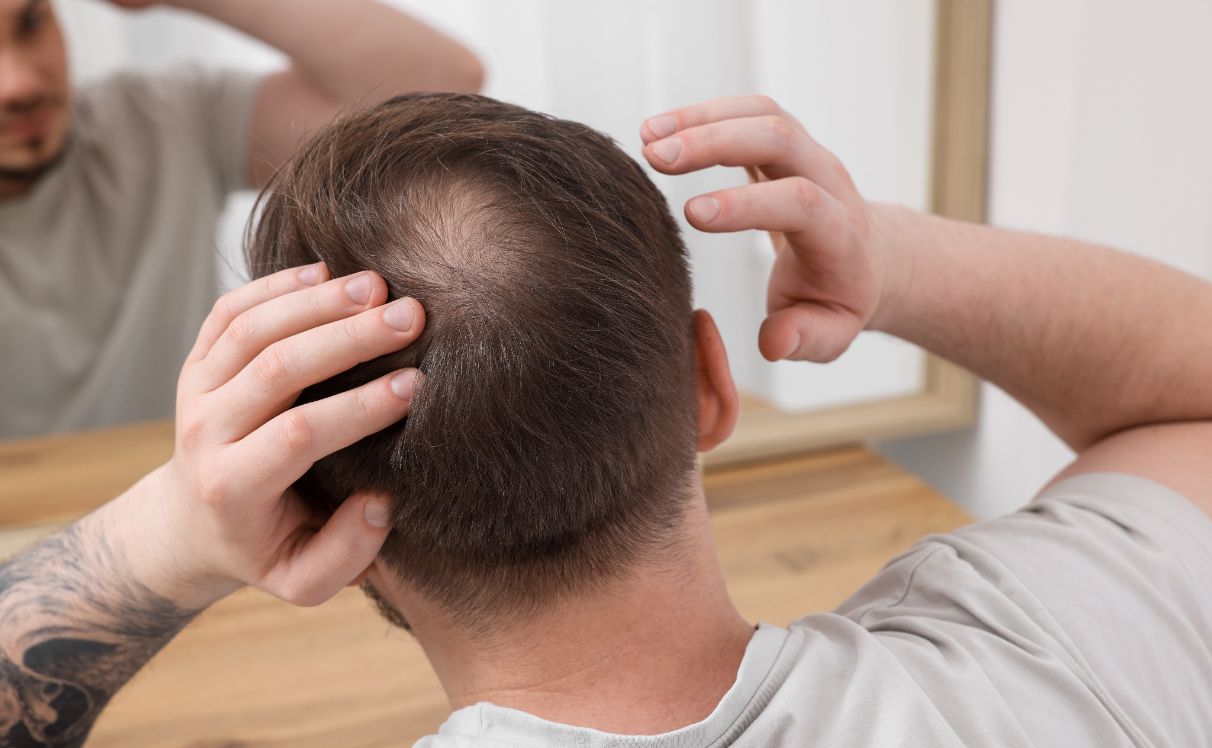
  2. More noticeable hair loss in specific areas: receding hairline or thinning on the top of the head.

Telogen effluvium vs androgenetic alopecia: preventive measures for hair loss

It is true that not all types of hair loss can be prevented, but there are some measures that can help minimise the impact and protect hair health.

In the case of telogen effluvium, you should reduce stress and invest in a balanced diet rich in nutrients and vitamins to prevent hair loss. However, prevention of androgenetic alopecia can only be achieved through specific treatment and continuous monitoring.

Effluvium vs Alopecia: diagnoses of hair loss

Is your hair loss persistent? It is advisable to seek a diagnosis as soon as possible to determine the cause and decide on the best approach.

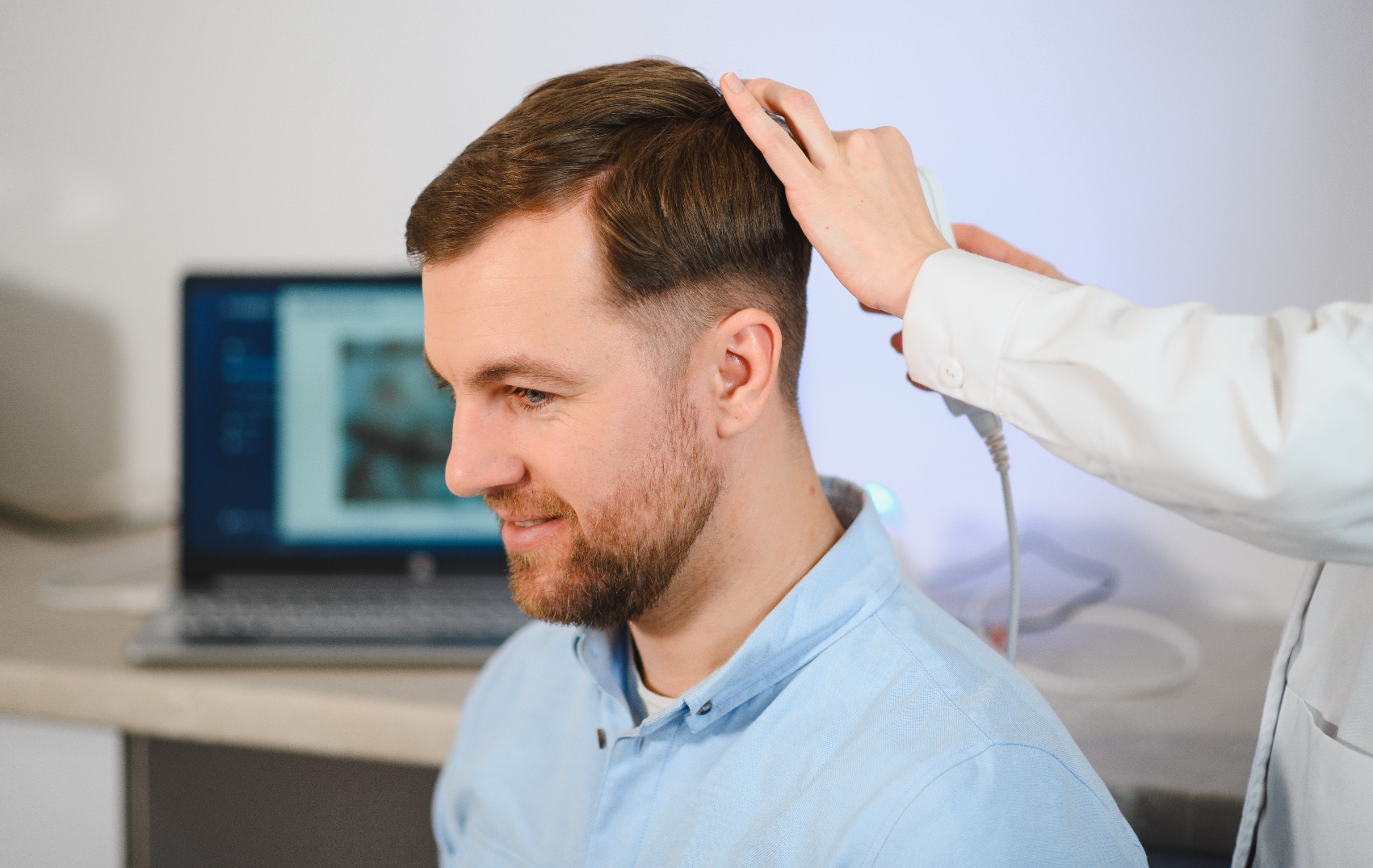
As a general rule, the diagnosis of Telogen Effluvium includes a clinical evaluation and recent medical history, an analysis of the hair cycle and, if necessary, laboratory tests to screen for hormonal deficiencies or changes.

Has Telogen Effluvium been ruled out? In this case, you should proceed to the diagnosis of Androgenetic Alopecia, which includes observation of the pattern of hair loss, trichoscopy and, if indicated, genetic and hormonal evaluation.

Hair Loss

Effluvium vs Alopecia: treatments for hair loss

Have you discovered the cause of your hair loss? Great! In the case of Telogen Effluvium, you need to immediately correct the cause of the problem (such as stress or nutritional deficiency). If you have already consulted a hair treatment specialist, you know that, depending on the situation, you can take nutritional supplements and/or undergo hair stimulation therapy. However, as hair tends to stop falling out naturally, a hair transplant is not recommended.

On the contrary, if you suffer from androgenetic alopecia, have permanently lost hair in some areas but still have healthy hair in others, you may be an excellent candidate for a hair transplant! In the early stages of androgenetic alopecia, you can opt for other treatments and medications that help maintain existing hair or prevent baldness, but once hair loss has set in, the only solution to regain your hair (and self-esteem) is a hair transplant.

FAQs about Telogen Effluvium vs. Androgenetic Alopecia

Still have questions about hair loss? The answers to our patients' most frequently asked questions can clarify things for you!


Yes, losing between 50 and 100 strands per day is part of the natural hair cycle.


Yes, these moments make hair loss more visible.


No, washing your hair does not cause permanent hair loss.


The main difference is in the pattern and duration: effluvium is sudden and diffuse, while alopecia is progressive and localised.


No, in most cases it is temporary and reversible.


Yes, stress is one of the main causes of Telogen Effluvium.


Yes, both in Telogen Effluvium and Androgenetic Alopecia.


Yes, nutritional deficiencies can aggravate hair loss.


Yes, especially in chronic cases.


Yes, as long as the cause is resolved.


Usually at the front hairline, receding hairline and top of the head.


Yes, although with different patterns.


Yes, it is relatively common.


There is no cure, but it can be controlled with ongoing treatment and reversed through hair transplantation.


If hair loss is persistent, intense or accompanied by a loss of density, you should see a specialist.


Free Consultation

Free Consultation

Get in touch for more information.
Free Hair Evaluation Consultation.