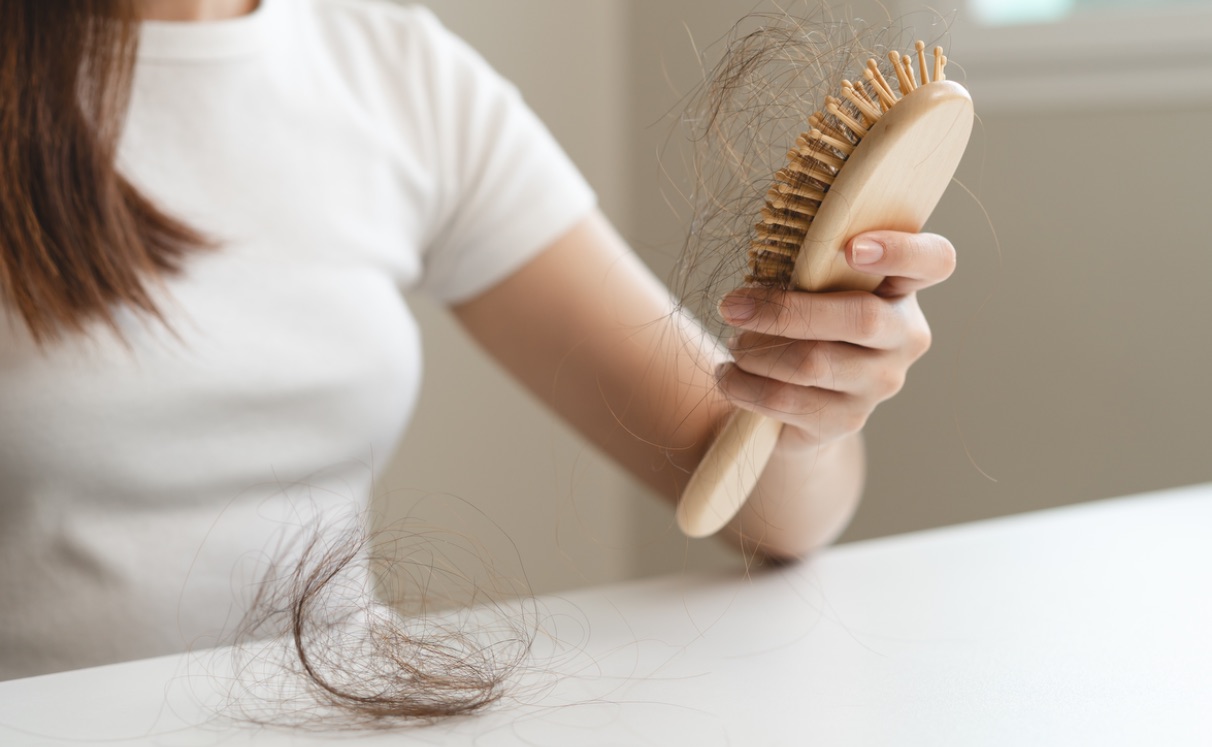
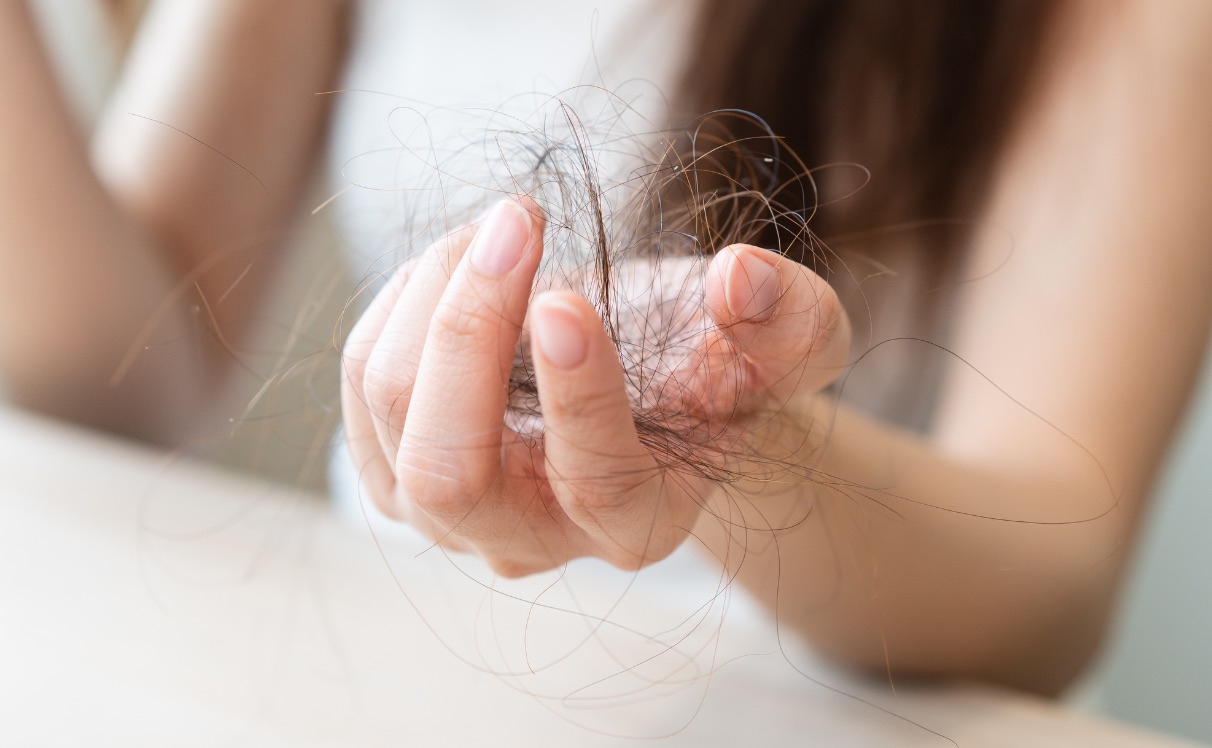
End-of-summer hair loss: causes, warning signs, and prevention measures
End-of-summer hair loss is a seasonal telogen effluvium that accelerates the transition of the strands into the resting and shedding phase.
ler mais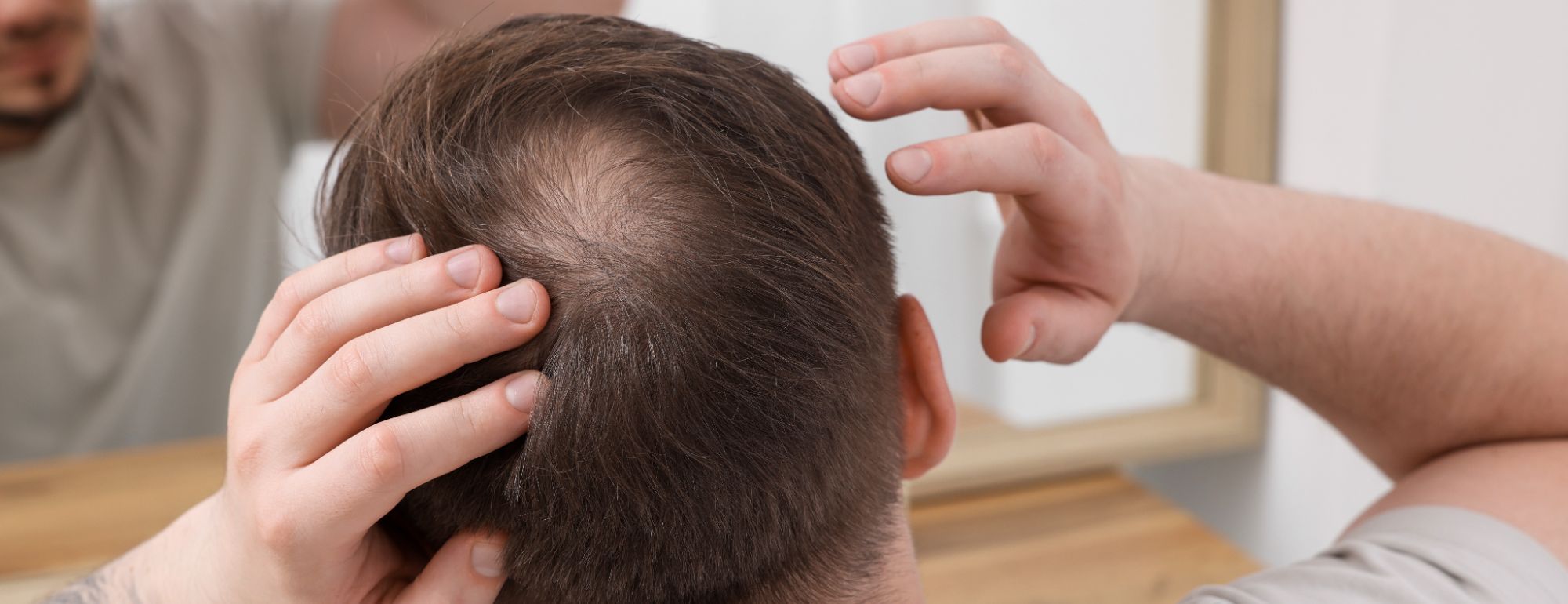
Stress at work? Constant anxiety? Persistent fatigue? Emotional emptiness? During life’s most challenging periods, the body reacts, and the effects of this reaction can also be seen in your hair. Find out how stress affects the scalp and why emotional alopecia can be reversible when correctly identified and treated.
Emotional alopecia is a type of hair loss triggered by psychological factors, such as intense stress, prolonged anxiety or emotional trauma.
Unlike genetic baldness, emotional alopecia is not linked to family history, but to the body’s response to an emotional imbalance, which puts the body on high alert, disrupting the normal functioning of various systems – including the hair growth cycle.
The result? Some hairs prematurely transition from the growth phase (anagen) directly to the shedding phase (telogen), resulting in diffuse, sudden and often distressing hair loss.
Emotional alopecia is generally linked to spikes in cortisol – the stress hormone – which affect the hair follicles; the most common causes include:
Prolonged physical or emotional stress, such as constant work pressure that depletes the body’s energy reserves.
Burnout or mental exhaustion resulting from prolonged periods of physical and psychological overload that leave the body in a constant state of alert, disrupting the normal hair growth cycle.
Chronic anxiety, states of constant tension and emotional trauma (such as the loss of loved ones, separations or accidents) also generate systemic shocks that can lead to emotional alopecia.
If you’re noticing your hair falling out, you’ll know all too well that emotional alopecia can cause distress, insecurity, shame and social isolation. What can you do? Recognising that the emotional impact is just as real as the physical one: this is the first step towards effective recovery, as the link between alopecia and self-esteem is profound and cannot be underestimated. After all, your hair is part of your identity, and ignoring the emotional impact of alopecia is to ignore an essential part of the treatment.
Could this be a case of emotional alopecia? Take note of the warning signs so you can identify the problem early and halt its progression:
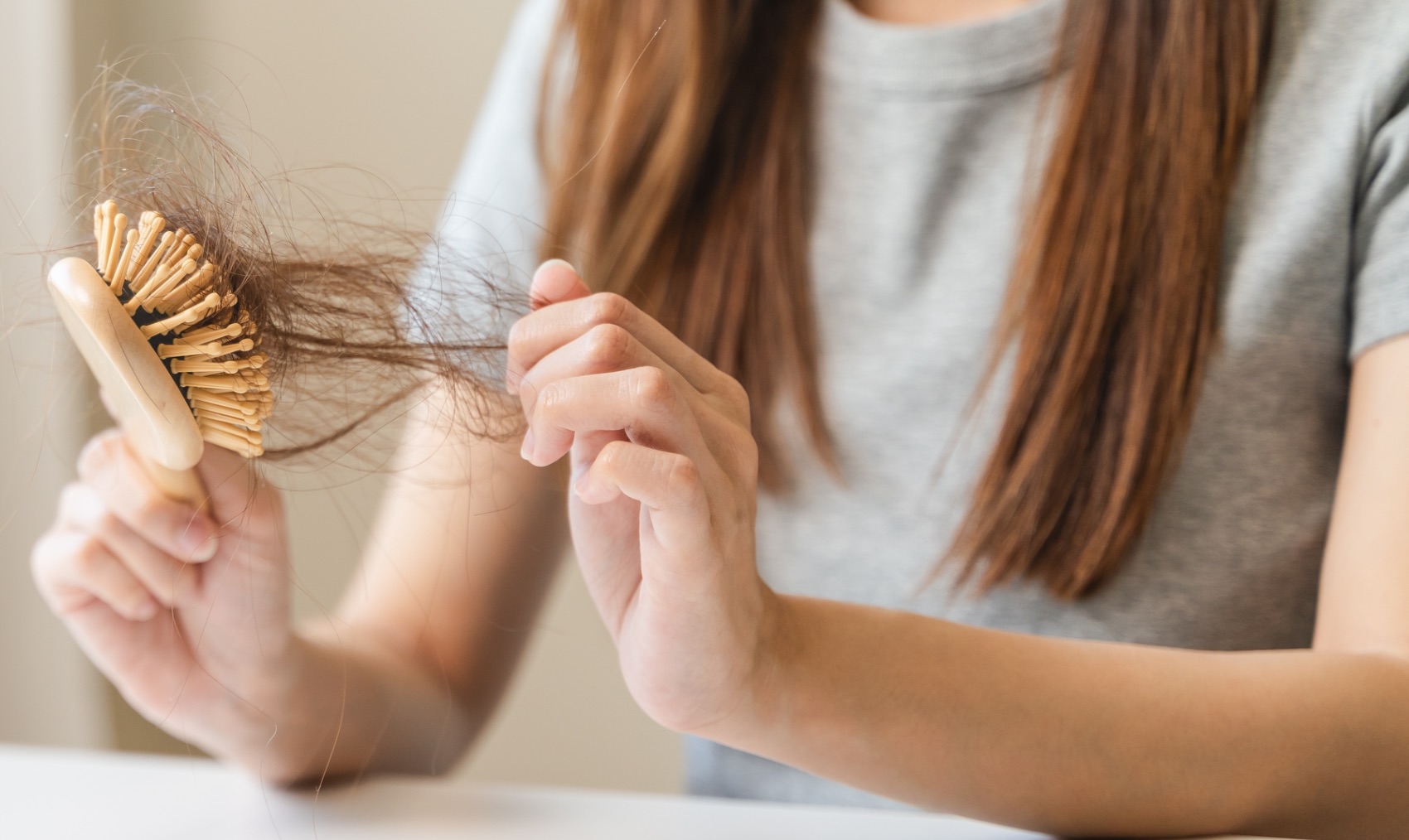
Don’t have any symptoms of emotional alopecia? Great, but you should still be aware of these tips for preventing hair loss – because you can’t always control what happens in your life… but you can strengthen your body so that it copes better with adversity!
Make an effort to sleep well, as the body repairs and regenerates tissues, including hair follicles, during deep sleep.
Take up physical exercise, as movement helps reduce stress, improves blood circulation and promotes the delivery of nutrients to the scalp.
Have you tried to prevent emotional alopecia, without success? Well, once hair loss has begun, the most important thing is to follow some strategies for dealing with it:
Is your hair loss severe? Don’t wait for it to stop on its own! It is essential to seek medical help to treat emotional alopecia, as the earlier the diagnosis is made, the better your chances of regaining your hair.
Emotional alopecia is diagnosed through a detailed clinical assessment, which includes the patient’s medical, emotional and hair history. Tests, such as digital trichoscopy, may be carried out to determine whether the hair loss is emotional, scarring or genetic in origin, and blood tests may even be requested to rule out vitamin deficiencies or hormonal imbalances that may be exacerbating the stress. In any case, it is essential to identify the cause of emotional alopecia in order to initiate effective treatment.
As a general rule, the treatment of emotional alopecia involves an integrated approach. Medical hair treatments (such as biostimulation therapies, specific topical lotions or oral supplements) may be recommended, but the most important step is to manage the emotional factor through a personalised treatment plan aimed at stress management. Only in this way can follicular inflammation be reduced and the hair growth phase accelerated, ensuring that new hairs grow strong and healthy.
In most cases, pure emotional alopecia (or telogen effluvium) does not require a hair transplant because the hair tends to grow back with clinical treatments and stress management. However, if stress exacerbates emotional alopecia or pre-existing genetic hair loss, a hair transplant may be considered as a permanent and transformative solution to restore hair density and self-esteem.
Do you still have questions about emotional alopecia? Read the answers to the most common questions asked by Master Group patients!
Yes, they can trigger or exacerbate hair loss due to their impact on the body.
Usually two to three months after the stressful event.
In most cases, it does grow back – provided the underlying cause is treated.
It affects both sexes, although it is more common in women.
Through a medical assessment.
Yes, it can accelerate or intensify hair loss.
No. Washing does not cause hair loss – it merely makes it more visible.
Medical hair treatments, stress management and psychological support.
It is essential for recovery.
Only in specific cases of emotional alopecia and following a specialist assessment.